
Views: 0 Author: Site Editor Publish Time: 2026-10-19 Origin: Site


Choosing the wrong airsoft gas does not just impact your maximum range and accuracy. It can physically destroy your internal components or cause you to fail field chronograph checks immediately. Most players treat propellants as an afterthought. This mistake inevitably leads to cracked slides, blown nozzles, and frustratingly inconsistent shots during engagements. We define this propellant as a pressurized substance, typically propane-based or a specialized refrigerant. You use it primarily to power Gas Blowback (GBB) and Non-Blowback (NBB) platforms. The "best" option depends entirely on your ambient temperature, your gun's slide material, and your strict local field regulations. You will learn the exact science behind these propellants below. We will break down every major pressure tier to help you match the right product to your specific loadout. You will also discover essential maintenance secrets to keep your magazines entirely leak-free all season long.
Temperature Dictates Pressure: Gas pressure drops in cold weather. Low-pressure gas is for summer/hot climates; high-pressure gas is strictly for winter/cold climates.
Material Compatibility is Non-Negotiable: Plastic slides (like standard Tokyo Marui) require low-pressure gas. Metal/steel slides require standard or high-pressure gas to cycle properly.
Lubrication Trade-offs: Standard Green Gas contains silicone oil to preserve O-rings, but it can coat hop-up buckings and reduce accuracy over time compared to "dry" alternatives.
Field Compliance: Using higher pressure gases artificially inflates FPS/Joules, risking disqualification at field chronographs.
Most players misunderstand how propellants actually function inside their magazines. When you purchase a can of airsoft gas, you are not buying a compressed vapor. You are buying a highly pressurized liquid. This liquid sits inside your metal magazine reservoir. When the hammer strikes the release valve, a precise amount of this liquid escapes into the firing chamber. It rapidly expands into a gaseous state upon atmospheric exposure. This sudden expansion creates the necessary kinetic energy. It propels the BB down the inner barrel and forces the heavy slide backward to load the next round.
This rapid expansion introduces a significant thermodynamic challenge known as the "cooldown" effect. Rapid firing forces the liquid to boil and expand much faster. This violent expansion draws ambient heat directly away from the surrounding metal magazine. As the magazine temperature plummets, the internal pressure of the remaining liquid drops significantly. You will immediately notice sluggish mechanical cycling. Your FPS (Feet Per Second) will decrease drastically with each consecutive shot. In extreme cases, the release valve can freeze open entirely and vent all remaining propellant into the air.
Pressure consistency dictates your ultimate battlefield accuracy. Stable PSI (Pounds per Square Inch) translates directly to shot-to-shot velocity consistency. If your pressure fluctuates wildly, your BBs will land at drastically different vertical elevations. Managing your rate of fire minimizes this cooldown effect. It keeps your internal pressure highly stable. This stability remains the most critical metric for long-range engagements.
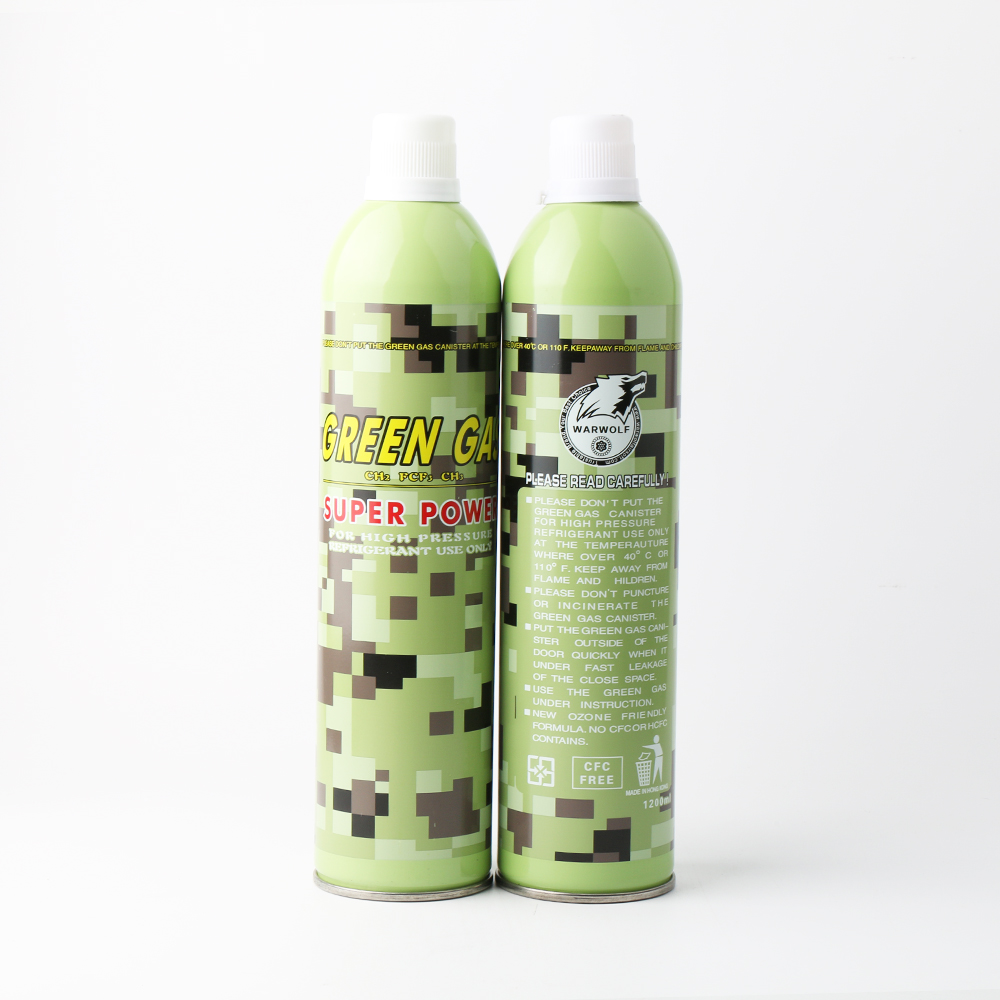
Manufacturers blend different chemical formulas to achieve highly specific pressure ratings. You must carefully select the correct tier based on your immediate environment and gun specifications.
This low-pressure option provides an exceptionally gentle cycle. It is ideal for high temperatures exceeding 85°F (29°C). Many players use it exclusively for Japanese-spec guns equipped with ABS plastic slides. Classic Tokyo Marui pistols rely heavily on this gentle formulation to function safely. You face severe risks if you ignore this pressure requirement. Using anything stronger on these specific guns in warm weather will rapidly fatigue the plastic frame. The slide will eventually crack or shatter upon impact. You must stick to duster gas or 144a when operating plastic-slide pistols during the hot summer months.
This formula stands as the undisputed industry baseline. It generally operates between 115 and 130 PSI at room temperature. You will find it performs flawlessly when ambient temperatures hover between 60°F and 80°F (15°C–26°C). It balances recoil force and component longevity perfectly for most stock aluminum guns. The composition remains relatively straightforward. It consists primarily of propane mixed with a specific ratio of silicone oil. This integrated lubricant automatically coats internal seals every time you fire. It keeps your O-rings hydrated and prevents minor leaks from forming prematurely.
Engineers designed these potent formulas strictly for freezing weather conditions. They shine brightly when temperatures drop well below 50°F (10°C). Some advanced players also use them to power heavily upgraded steel-slide platforms. A heavy steel slide requires massive kinetic force to cycle fully. Standard green formulas simply lack the baseline pressure to move that much mass effectively. You take on significant implementation risks here. Using Red or Black gas in standard summer weather will cause catastrophic internal failure. The extreme pressure will aggressively blow out polymer loading nozzles. It can completely sheer off metal slide catches. Furthermore, it will push your FPS far beyond field legal limits, guaranteeing you fail the safety chronograph test.
These 12g unlubricated cartridges offer the highest baseline pressure available in the sport. They easily exceed 800 PSI before passing through internal gun regulators. CO2 serves as the absolute best choice for harsh winter environments. It resists the cooldown effect much better than standard liquid propane. It also delivers the heaviest, most realistic felt recoil for training weapons. You must weigh several crucial considerations before committing to CO2. You need dedicated CO2-specific magazines to handle the extreme pressure safely. Your gun also requires heavily reinforced internal components. Because these metallic cartridges contain zero silicone oil, they demand strict manual lubrication routines to prevent rapid seal degradation.
Selecting the perfect propellant requires a highly structured, analytical approach. You must evaluate four distinct variables before loading your magazines for a match.
Airsoft Gas Selection and Comparison Matrix
Gas Type | Ideal Temperature Range | Best Slide Material | Estimated PSI (at 70°F) |
|---|---|---|---|
Duster / 144a | 85°F+ (29°C+) | ABS Plastic | ~80 PSI |
Green Gas | 60°F - 80°F (15°C - 26°C) | Standard Aluminum | ~120 PSI |
Red Gas | 40°F - 60°F (4°C - 15°C) | Heavy Aluminum / Steel | ~140 PSI |
Black Gas | Below 40°F (Below 4°C) | Heavy Steel Only | ~160+ PSI |
Temperature dictates absolutely everything in gas-powered airsoft platforms. You can follow a highly effective rule of thumb here. As temperatures drop significantly, step up exactly one tier of gas pressure. This step-up strategy helps you maintain your baseline FPS and ensures reliable mechanical cycling. Conversely, you must step down one pressure tier during extreme heat waves to avoid permanently damaging your internal housing.
Your slide weight directly influences your propellant needs. You can map these categories intuitively based on raw mass. Use low pressure for delicate, lightweight plastic slides. Rely on standard pressure for factory aluminum builds. Reserve high-pressure formulas or CO2 capsules for heavily upgraded steel slides. Heavy parts demand more energy to accelerate backward. Matching the energy output to the material prevents sluggish, half-cycle performance.
Referees strictly enforce kinetic energy limits for player safety. High-pressure formulas artificially inflate your Joules. We strongly advise users to chrony their GBBs meticulously. You must use the exact propellant and exact BB weight you plan to use on game day. Do not test with standard gas at home and then switch to Red gas at the field. You will inevitably fail the compliance checks and face disqualification.
Premium canned airsoft gas offers unparalleled convenience on the field. It fills quickly and carries no unpleasant odor. However, the recurring cost adds up rapidly for frequent players. Many players eventually opt for cheaper bulk alternatives like standard camping propane. This switch requires a specialized metal adapter. You also trade away convenience and must tolerate the distinct, highly pungent smell of commercial propane additives.
The community remains deeply divided on whether internal lubrication helps or hurts long-term performance. You must understand both distinct perspectives to optimize your maintenance routine.
Pre-mixed formulas protect your fragile magazine O-rings from drying out. Every single shot mists the internal seals with fresh silicone oil. This automated lubrication reduces the likelihood of catastrophic leaks. It acts as an excellent safeguard for beginners. Many new players simply do not perform regular, preventative maintenance on their gear. The premixed oil keeps their equipment running flawlessly without any manual intervention.
Dry formulas offer a massive competitive advantage regarding shot consistency. Pre-mixed oil does not stay safely confined to the magazine. The expanding vapor blows microscopic oil droplets directly into the inner barrel. Worse, it heavily coats the rubber hop-up bucking. Your hop-up relies entirely on dry friction to apply consistent backspin to the BB. Oil on the bucking completely destroys this friction. This contamination leads to erratic BB flight paths and sudden, frustrating drops in accuracy.
Advanced players universally prefer dry gas for maximum accuracy. Removing the silicone oil from the propellant stream keeps the hop-up perfectly dry and highly consistent. However, this route requires extreme maintenance discipline. If you choose dry propellants, you must strictly adhere to manual O-ring maintenance routines. You will need to strip your magazines and hand-lubricate the valves regularly to prevent systemic leaks.
Proper handling actively extends the lifespan of your magazines and prevents dangerous accidents. You must treat these pressurized containers with immense respect both on and off the field.
Implement Proper Magazine Storage: Never store your standard liquid-propellant magazines completely empty. We recommend storing these magazines with a small amount of pressurized gas inside. This internal pressure keeps the rubber O-rings firmly seated and under constant tension. It prevents the seals from shrinking, drying out, or shifting out of alignment over the winter. You must contrast this rule heavily with CO2 cartridges. You should never leave a pierced CO2 capsule inside a magazine after game day. Constant 800-PSI exposure will permanently crush and warp the internal seals within just a few days.
Prioritize Canister Safety: You must prioritize basic safety protocols when handling large supply cans. Always ensure your purchases are fully DOT (Department of Transportation) compliant for safe vehicle transport. The most common danger involves players carelessly leaving pressurized cans in hot cars or directly exposed to summer sunlight. Ambient heat causes the internal liquid to expand rapidly against the thin metal walls. This thermal expansion can cause the safety valve to vent aggressively. In worst-case scenarios, it creates a severe explosion risk. Always store your extra supply cans in a cool, heavily shaded gear bag.
Perform Routine Seal Maintenance: Dry propellant users require a dedicated maintenance kit. We strongly suggest purchasing high-quality, 100% pure silicone oil or heavy silicone grease. Avoid petroleum-based lubricants at all costs, as they will aggressively melt and degrade airsoft O-rings. Apply a single drop of thick silicone oil to your fill valves and release valves every three to four weeks. This manual application easily replaces the internal lubrication you lose by running dry formulas. It guarantees your system remains entirely leak-free throughout the intense competitive season.
There is no universal "best" option available on the market today. You must select the right formula based exclusively on your specific environmental temperature, your gun's build materials, and your personal maintenance comfort level. Choosing carefully ensures your equipment cycles flawlessly without suffering premature mechanical wear.
Follow these actionable next steps before your next match:
Consult your gun's manufacturer manual to confirm the slide material and factory pressure limits.
Assess your typical local weather and monitor seasonal temperature fluctuations closely.
Purchase a single small canister of the appropriate formula first to verify compatibility.
Test this specific formula at your field's chronography station before buying heavy bulk cases.
Establish a strict, routine maintenance schedule immediately if you decide to transition to unlubricated formulas.
A: Yes, you can safely use camping propane if you purchase a specialized metal fill adapter. Propane offers the exact same pressure as standard green formulas but costs significantly less per ounce. However, it lacks integrated silicone oil, so you must lubricate your O-rings manually. It also contains a deliberate, highly pungent odor added for consumer safety.
A: Leaks usually occur because your internal O-rings have dried out, shrunk, or cracked from a severe lack of lubrication. They can also happen if you use improper filling angles. Always hold both the magazine and the canister completely upside down during the filling process. Worn-out release valves also cause frequent pressure leaks.
A: No, the chemical propellant itself does not degrade or expire over time. However, the metal cans storing the fluid can easily rust if left in damp environments. If you store cans in improper conditions, the fragile nozzle seals might fail. This failure causes them to slowly lose internal pressure over a period of several years.
A: We strongly advise against mixing different formulas. Blending low-pressure and high-pressure propellants causes highly unpredictable pressure spikes. This dangerous practice guarantees inconsistent FPS readings and entirely ruins your accuracy. It can also strain your internal seals unevenly. Always purge your magazine completely empty before filling it with a newly purchased formula.


