
Views: 0 Author: Site Editor Publish Time: 2026-08-08 Origin: Site


Every gas blowback player eventually hits the performance ceiling of standard propellants. You experience sluggish cycling, severe cool-down effects during rapid fire, and complete unreliability in cold weather. These frustrating moments leave you vulnerable during critical matches on the field.
Fortunately, high-pressure alternatives exist to solve these specific hardware limitations. 1.4 MPa Airsoft Green Gas operates at a significantly higher pressure engineered exclusively for reinforced configurations. It is not a universal upgrade, meaning you must pair it correctly to avoid catastrophic internal damage to your replica.
This guide provides a comprehensive technical evaluation of high-pressure airsoft propellants. We will help you determine if your gas blowback platform can safely handle these intense pressures. You will learn the science behind vapor pressure, strict hardware requirements, and safe transition protocols before finalizing your purchase.
1.4 MPa airsoft green gas outputs approximately 200–205 PSI at room temperature (20°C/68°F), significantly higher than standard 110–130 PSI green gas.
It is designed exclusively for heavy metal-slide pistols, Gas Blowback Rifles (GBBRs), and cold-weather environments.
Using 1.4 MPa gas in unmodified, plastic-slide replicas (like stock Tokyo Marui models) carries a high risk of catastrophic hardware failure.
Upgrading to this pressure requires evaluating your replica’s nozzle, recoil spring, and valve knocker durability.
Megapascals (MPa) measure vapor pressure in sealed environments. In the airsoft industry, we rely on this metric to gauge absolute power output. A rating of 1.4 MPa translates to roughly 203 PSI at a standard ambient temperature of 20°C (68°F). This represents a massive energy jump from standard formulas. Standard cans usually hover around 110 to 130 PSI. Understanding this baseline difference helps you grasp the immense mechanical force involved.
Inside your magazine, the propellant exists in a highly compressed liquid state. When you pull the trigger, the valve opens briefly. A small amount of this liquid immediately boils and expands into a gas. The higher internal pressure of a 1.4 MPa formula fundamentally changes this expansion dynamic. It forces the release valve to expel a much denser volume of gas per single strike. This dense burst of energy easily drives heavier internal components. It provides the necessary kinetic energy to cycle heavy steel bolts and solid aluminum slides.
You adopt this high-pressure formula to achieve very specific performance goals. Serious players want a consistent cyclic rate across entire magazine dumps. They also need to maintain their muzzle velocity (FPS) during intense rapid-fire scenarios. Finally, higher pressure reliably overcomes environmental temperature drops. Colder air normally causes standard liquids to lose their boiling pressure and fail entirely. The 1.4 MPa rating ensures your equipment keeps running hard when the weather turns freezing.
Understanding the different pressure tiers helps you choose the perfect propellant for your environment. Manufacturers categorize these liquids based on their operational temperature windows. Let us break down the three primary categories available to consumers today.
Standard gas sits between 0.8 and 1.0 MPa. This baseline outputs 110 to 130 PSI under normal conditions. It works beautifully for warm weather skirmishes. You should use it primarily for factory-stock replicas and lightweight plastic-slide pistols. The lower pressure protects fragile internal components from excessive battering.
The intermediate high-pressure step delivers approximately 200 PSI. We refer to this tier as the red gas equivalent or the 1.4 MPa category. Chemical engineers build this formulation specifically for upgraded internals and Gas Blowback Rifles (GBBRs). It thrives perfectly in autumn and spring temperatures. It bridges the gap between summer heat and winter freezing.
At the absolute extreme end, you will find black gas for airsoft. This aggressive formula pushes 1.8 to over 2.0 MPa, yielding upwards of 260+ PSI. You reserve this extreme pressure almost exclusively for freezing winter conditions. In harsh sub-zero environments, lower-pressure liquids completely fail to vaporize. They just pool inside the magazine as useless fluid. Extreme formulas guarantee vaporization even when ice forms on your gear.
Propellant Pressure Decision Matrix
Gas Category | Pressure Range (MPa) | Optimal Temperature | Ideal Hardware |
|---|---|---|---|
Standard | 0.8 - 1.0 MPa | 20°C - 30°C (68°F - 86°F) | Stock internals, plastic slides |
High Pressure | 1.4 MPa | 10°C - 20°C (50°F - 68°F) | Metal slides, GBBRs, reinforced parts |
Extreme Pressure | 1.8 - 2.0+ MPa | 0°C - 10°C (32°F - 50°F) | Heavy steel kits, freezing weather only |
Selecting the right category depends strictly on environmental awareness and mechanical preparation. You must measure your ambient field temperature before filling your magazines. You also need to verify your internal gun reinforcement. Running extreme pressures in summer will destroy your replica. Running standard pressure in winter will leave you completely defenseless.
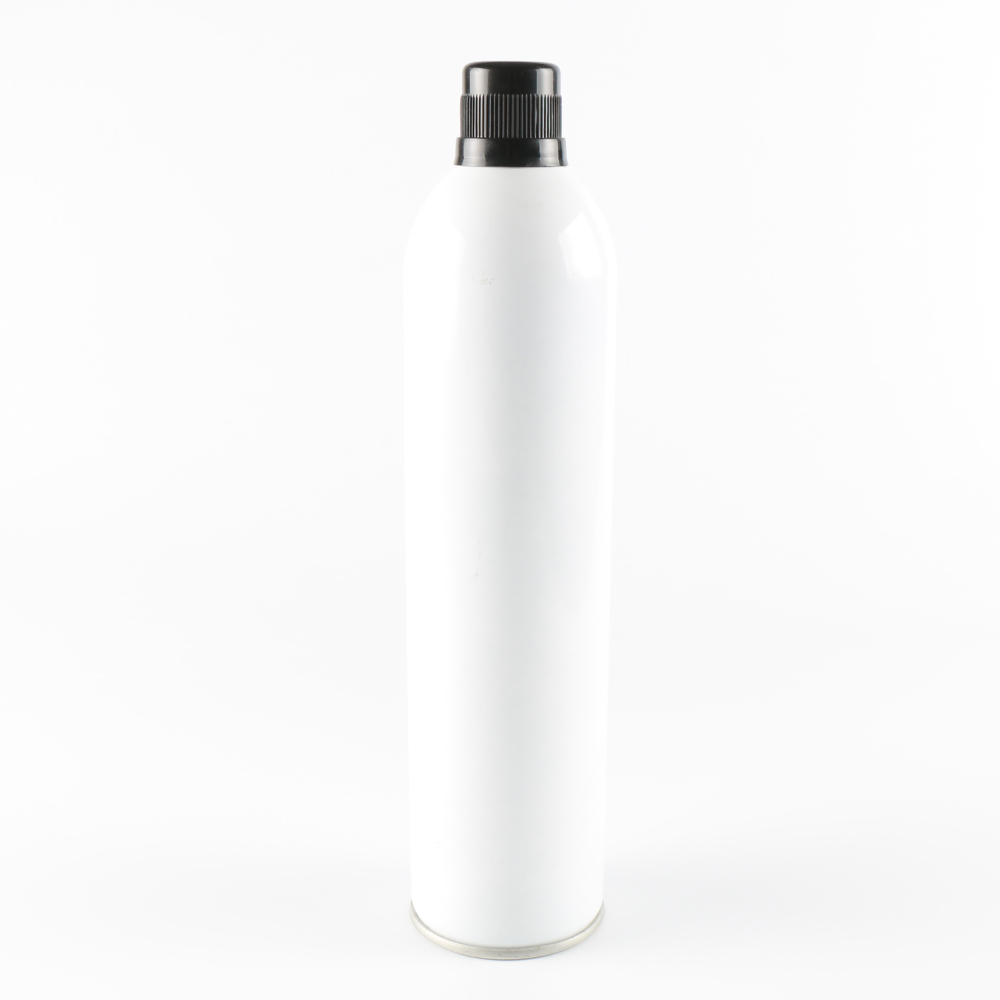
Dropping high-pressure propellant into a stock factory gun poses serious mechanical risks. You must evaluate your replica across several structural dimensions before executing an upgrade. Ignorance of these pass/fail criteria leads directly to shattered parts.
First, inspect your slide and bolt material thoroughly. CNC aluminum and milled steel slides easily absorb the extra kinetic energy. Heavy GBBR bolts also handle the sudden rearward impact exceptionally well. However, plastic slides will inevitably crack under 200 PSI. The rear sight mount and the slide lock notch usually shear off first. If you run a stock Tokyo Marui pistol, avoid this pressure tier entirely.
Next, carefully consider your internal reinforcements. You cannot rely on factory polymer parts for long-term durability. High-pressure setups require upgraded polycarbonate loading nozzles to handle the rapid gas expansion. You will also need enhanced piston heads to maintain air seal integrity during violent cycles. Stronger recoil springs are absolutely mandatory. Upgrading to a 120% or 140% spring prevents the fast-moving slide from battering your frame to pieces.
You must also understand valve knocker limitations. A common mechanical issue called "light striking" occurs immediately when you upgrade your propellant. Your stock hammer spring might lack the sheer physical strength to open a magazine valve pressurized to 1.4 MPa. When the hammer falls, it barely taps the highly pressurized valve. The gun releases a tiny puff of gas and fails to cycle the bolt. Upgrading your hammer spring solves this problem instantly.
We must remain entirely transparent about the long-term risks. Running high-pressure gas always accelerates wear and tear. It puts immense operational stress on rubber O-rings and silicone hop-up buckings. Even heavily reinforced guns require more frequent teardowns and maintenance when operating at these elevated pressures.
When you transition to a stronger propellant, the performance shifts feel immediate and dramatic. You will notice major differences in projectile velocity, cycle feel, and thermal efficiency. These features translate directly into tactical advantages on the field.
The most critical change involves your FPS variance. A 1.4 MPa formula will significantly increase your muzzle velocity right out of the gate. A pistol shooting 300 FPS on standard pressure might suddenly hit 340 FPS or higher. You must chrono your replicas immediately after switching your gas type. This mandatory step ensures you do not breach local field joule limits. Breaching limits puts other players at risk and invites administrative penalties.
The recoil impulse also transforms completely. The tangible difference in blowback crispness feels incredibly satisfying to the shooter. Your slide snaps back with serious authority. Your cyclic speed increases noticeably. This rapid cycling allows for much faster follow-up shots during intense close-quarters firefights. The gun feels more responsive and aggressive.
Thermal efficiency represents your biggest environmental advantage. Rapid firing triggers a physical phenomenon known as the Joule-Thomson effect. Expanding gas rapidly cools the surrounding metal magazine, reducing internal vapor pressure. This "cool-down" effect causes standard setups to vent violently or freeze entirely. A 1.4 MPa formulation actively resists this temperature drop. The much higher baseline pressure keeps the gun operable long after standard formulas fail. You maintain a combative edge when opponents struggle with frozen, unresponsive magazines.
Transitioning to a high-pressure setup requires strict operational discipline. You must adjust your loading habits to protect your equipment and maximize performance. Small errors in execution lead to massive frustrations on the field.
Proper filling technique becomes paramount. Many users make simple procedural errors during this process. You must always invert the can completely upside down before pressing the nozzle. This vertical orientation ensures dense liquid propellant transfers directly into the magazine reservoir. However, you must avoid overfilling the chamber. Injecting too much liquid creates a dangerous liquid lock. The internal valve cannot depress against pure liquid, and the gun will completely refuse to fire.
Next, evaluate your lubrication ratios. Manufacturers sell both dry and silicone-mixed high-pressure options. Dry propellant improves hop-up accuracy because it keeps the rubber bucking entirely free of oil. However, it requires you to manually lubricate your O-rings. If you use dry gas, you must inspect and oil your seals regularly. Neglecting this basic maintenance leads directly to dried, blown O-rings and catastrophic gas leaks.
Temperature monitoring serves as your final safety check. We issue a strict warning against using 1.4 MPa formulas in peak summer heat. Temperatures above 30°C (85°F) cause massive thermal expansion inside the magazine. The internal pressure can easily exceed safe operating limits. This expansion causes magazine walls to bulge, creates permanent valve lock, or triggers explosive seal failure. Always revert to standard pressure cans during hot summer months.
Follow these mandatory implementation steps:
Always chrono your replica multiple times before entering field play.
Never leave pressurized magazines sitting inside a hot vehicle.
Apply high-grade silicone oil manually if utilizing dry propellant.
Listen closely for hissing micro-leaks immediately after your first high-pressure fill.
Swap your factory hammer spring if you experience light striking on the first pull.
Upgrading your propellant fundamentally changes your tactical capabilities and operational readiness. Gas Blowback Rifle owners, metal-slide pistol users, and players living in cooler climates stand to benefit the most from this upgrade. It provides the necessary brute force to cycle heavy parts in adverse conditions.
Conversely, users running stock plastic replicas or playing in mid-summer heat must avoid these high-pressure cans entirely. The intense force will inevitably damage unsupported components and rupture magazine seals.
Your immediate next step involves a thorough internal inspection of your primary replica. Verify your nozzle integrity, check your recoil spring strength, and upgrade your hammer spring if necessary. Always consult your local field administration regarding hard FPS limits before game day. Once verified, you can confidently browse compliant, high-pressure options and elevate your gameplay to the next level.
A: We strongly advise against mixing different gases. Combining them disrupts normal vapor pressure equalization. The two liquids expand at different rates, which yields highly inconsistent FPS and erratic cyclic performance. Always purge your magazine completely before introducing a new pressure tier.
A: Yes, it frequently voids manufacturer warranties. Most factory warranties explicitly state you must use standard 110–130 PSI green gas or duster gas. Using aftermarket high-pressure formulas subjects the internals to stress beyond factory specifications. Always review your user manual before upgrading.
A: This venting happens due to "light striking." Your stock hammer spring is too weak to fully overcome the high internal valve pressure. It barely cracks the valve open, causing a slow, continuous leak instead of a crisp cycle. Upgrading to a stronger hammer spring resolves this immediately.


