
Views: 0 Author: Site Editor Publish Time: 2026-08-12 Origin: Site


Airsoft players increasingly rely on high-pressure gases. They need these potent fuels to conquer freezing winter games and cycle heavy-recoil platforms. Standard pressure formulas often falter when ambient temperatures drop. This operational shift demands a completely new approach to gas management.
High-pressure gas leaves a significantly smaller margin for user error. Standard storage habits work perfectly fine for regular green gas. However, applying these identical routines to high-pressure variants creates extreme danger. Lazy handling often leads to ruptured canisters, blown magazine O-rings, and severe safety hazards.
This guide establishes a rigid, compliance-aware framework for handling these volatile fuels. We explore safe long-term storage protocols and proper field transportation methods. You will learn how to maintain your magazines efficiently without causing damage. Follow these guidelines to secure your personal safety and maximize your equipment longevity.
Pressure Reality: 1.4 MPa Airsoft Green Gas (commonly known as black gas) operates at roughly 200+ PSI; it requires stricter temperature controls than standard 130 PSI green gas.
Temperature Ceilings: Never expose black gas canisters to environments exceeding 104°F (40°C)—this immediately rules out car trunks in summer.
Magazine Maintenance: Storing magazines with a full charge of black gas causes premature O-ring failure; leave only a minimal maintenance charge.
Transport Logistics: Use insulated, ventilated containers for field transport to mitigate rapid ambient temperature spikes.
Standard green gas operates at a baseline pressure of roughly 0.8 to 1.0 MPa. We must contrast this standard output against high-pressure alternatives. 1.4 MPa Airsoft Green Gas brings a massive power increase. It fundamentally changes how the propellant behaves inside the container. Heat causes rapid volumetric expansion. As ambient temperatures rise, the internal pressure compounds exponentially. The science follows Gay-Lussac's Law. Temperature and pressure maintain a direct relationship. A small temperature bump yields a massive pressure spike.
Players buy high-pressure gas to boost performance. However, they often neglect the necessary logistical overhead. Handling these volatile cans requires discipline. Mishandling results in costly gear damage. It can even cause severe physical injury from catastrophic canister failure. You must treat these high-pressure variants as true hazardous materials.
We evaluate these risks by analyzing vapor pressure. Black gas reaches critical failure pressure at much lower ambient temperatures than standard gas. Seasonal awareness is absolutely mandatory. A spring day might feel perfectly comfortable. Yet, direct sunlight easily pushes a high-pressure canister beyond its safe operating limits. Standard cans might survive 120°F briefly. High-pressure cans will bulge or detonate under similar conditions. You cannot rely on standard safety margins.
Pressure Expansion Matrix
Propellant Type | Base Pressure (Room Temp) | Failure Risk Temp Threshold | Primary Use Case |
|---|---|---|---|
Standard Green Gas | 0.8 - 1.0 MPa | Approx. 120°F (49°C) | Standard summer play |
High-Pressure Variants | 1.4 MPa | Approx. 104°F (40°C) | Winter games, heavy recoil platforms |
Proper long-term storage requires specific climate control criteria. You must identify the exact safe temperature band for your supply. Ideally, store these canisters between 50°F and 70°F (10°C to 21°C). This thermal range prevents unnecessary internal expansion. It keeps the vapor pressure completely stable during dormant months. Consistent temperatures prevent stress cycles on the thin metal container.
Rust compromises structural integrity very quickly. Damp basements present severe long-term storage risks. Moisture inevitably degrades the metal seam located at the bottom of the canister. A rusted seam on a high-pressure can acts as a ticking time bomb. It represents a critical failure risk. You must inspect your storage area for excessive humidity. Use dehumidifiers if you live in humid climates.
Orientation logic matters immensely. You should always store canisters upright. Keep them inside a dedicated, ventilated cabinet. Position this cabinet away from direct sunlight. Never place gas supplies near boilers, space heaters, or HVAC exhaust vents. Heat sources will spike the internal pressure without warning. Upright storage keeps the liquid propellant settled at the bottom. It protects the release valve located at the top.
Winterizing your gear requires strict discipline. Follow exact guidelines for storing leftover black gas for airsoft over the off-season. Do not let cans freeze. Freezing temperatures can permanently damage the valve seals. Conversely, avoid keeping them in overly heated rooms. Maintain a dry, dark, and room-temperature environment. This prevents fuel degradation. It ensures your gas remains potent and safe for the next season.
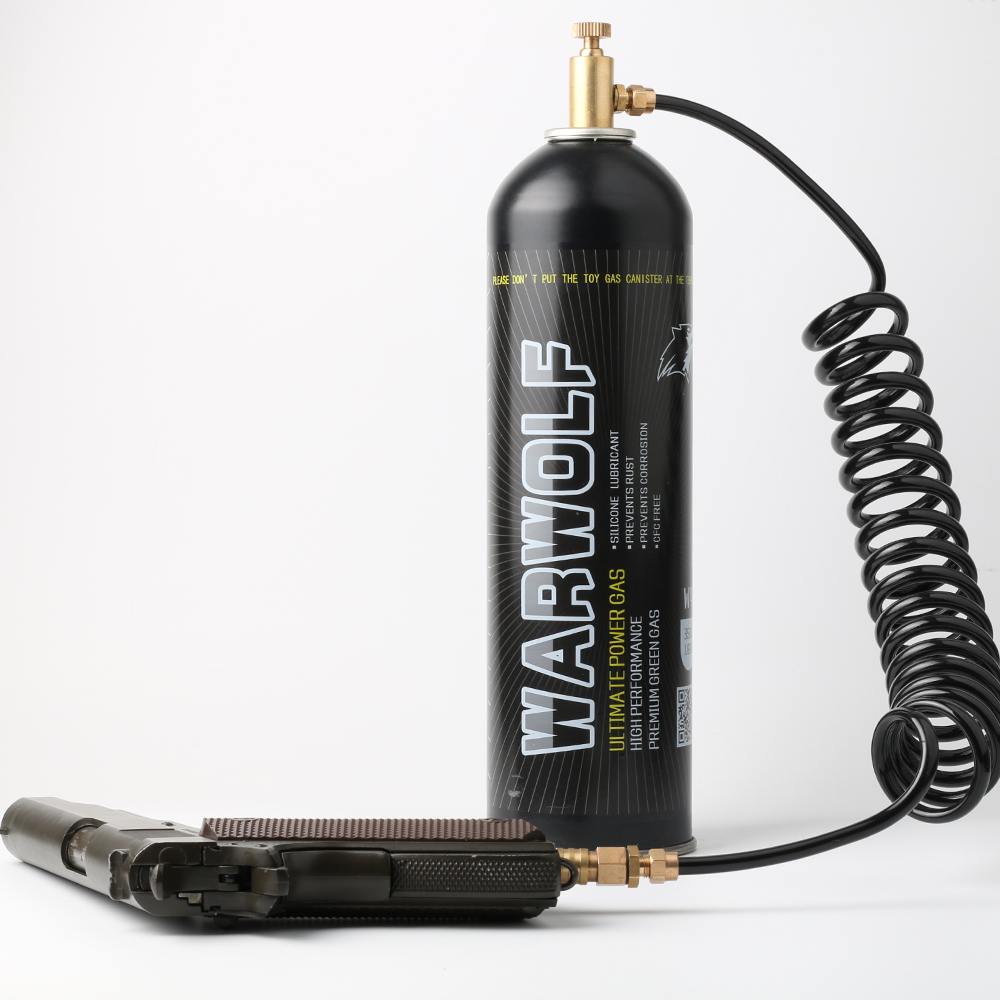
The hot car hazard claims countless airsoft supplies every summer. You must map the rapid temperature escalation inside a parked vehicle. The greenhouse effect traps solar radiation efficiently. A mild 75°F day creates a deadly trap. It can result in 110°F+ trunk temperatures within just one hour. This heat spike immediately breaches the strict safety limits of black gas canisters. Leaving cans on your dashboard guarantees an explosion.
Smart deployment solutions prevent these dangerous scenarios. We strongly recommend using hard-sided, insulated coolers. Do not add ice to these coolers. You only need the insulation properties to block exterior heat. Alternatively, use dedicated padded gear bags to transport gas safely. This approach creates a thermal buffer against sudden ambient heat spikes. Wrap the cans in thick towels for extra thermal shielding.
Field staging rules demand continuous situational awareness. You must manage your gear properly between matches.
Keep gas fully shaded under a canopy or staging table.
Never leave cans exposed on a gear tarp.
Keep canisters away from hot car exhaust pipes.
Return gas bottles to insulated bags immediately after refilling.
Monitor the sun's position and move your bags accordingly.
Direct sunlight remains your worst enemy. It superheats the metal exterior rapidly. Treat your staging area like a hazardous materials zone. Enforce these rules among your teammates. Group safety depends entirely on collective compliance.
The maintenance charge debate creates endless confusion among players. Veterans often suggest leaving gas in the mag to protect seals. You must evaluate this advice critically. We must explain why a full charge of high-pressure gas accelerates O-ring fatigue. High pressure continuously stretches the synthetic rubber. Over time, the seals permanently warp. They lose their elasticity completely. This causes catastrophic leaks during your next game.
Implementation reality requires a balanced approach. Instruct users to vent the excess high pressure after every game day. Never press the release valve manually. Pressing the valve freezes and cracks the O-rings instantly. Instead, shoot the magazine dry in your replica. Then, fill it using a brief 1-second burst of gas. This tiny amount maintains internal pressure perfectly. It keeps the seals seated safely without stretching them beyond their elastic limits.
Lubrication assumptions often lead to expensive malfunctions. Many players forget how high-pressure formulas operate. Manufacturers design many black gases as purely dry formulas. They lack silicone oil entirely. This maximizes overall FPS and prevents hop-up bucking swelling. We must detail the absolute necessity of manual O-ring and valve lubrication.
Post-game breakdowns require dedicated maintenance steps.
Disassemble the magazine baseplate carefully using the correct tools.
Inspect the square O-ring for any microscopic tears.
Apply high-quality synthetic silicone grease manually to all seals.
Reassemble the components and apply the 1-second maintenance charge.
Store the magazines upright in a temperature-controlled case.
Routine manual care guarantees consistent performance. It protects your expensive magazines from high-pressure wear.
Visual inspections form your first line of defense. You must know how to audit a canister before use. Look closely for domed or bulging concave bottoms. The concave base serves as a safety pressure release mechanism. If it bulges outward, the can has exceeded its maximum pressure limit. Check carefully for rusted seams along the base. Listen closely for microscopic valve leaks. A faint hissing sound indicates an immediate safety threat.
You need an actionable decision framework. If a canister shows any structural deformation, you must retire it immediately. Do not attempt to vent it manually through the main valve. If the structural integrity is compromised, pressing the valve could trigger an explosive rupture. Handle deformed cans cautiously. Treat them like unexploded ordnance. Move them gently to an isolated outdoor area.
Compliance and disposal protocols require strict adherence. We must outline safe, environmentally compliant methods. You must dispose of pressurized hazardous waste properly. Always reference your local municipal guidelines. Never resort to lazy field dumping. Tossing a deformed, pressurized can into a regular trash bin endangers sanitation workers. Contact local hazardous waste facilities. Schedule a safe drop-off appointment. Protect the environment and your community.
High-performance output directly requires high-compliance logistics. You cannot cut corners when handling intense pressures. Safe storage and strict transport protocols are absolutely essential. They serve as non-negotiable extensions of running high-pressure platforms. Ignoring these rules invites disaster.
Take action today to protect your gear and yourself.
Audit your current storage environments at home immediately.
Move gas cans out of damp basements into dry spaces.
Upgrade your field-transport bags to insulated cooler options.
Complete these logistical upgrades before purchasing new high-pressure supplies.
Train your squad on proper field staging rules.
Preparation keeps you safe on the battlefield. It ensures your heavy-recoil platforms run flawlessly all season. Respect the physics behind high-pressure gas, and it will serve you exceptionally well.
A: No. The interior of a car easily exceeds the burst-pressure temperature limits of high-pressure canisters. The greenhouse effect traps heat rapidly, turning a mild day into a severe explosion risk for your supplies.
A: No. While a slight maintenance charge prevents seal drying, a full charge of high-pressure gas will stress and warp the O-rings during long-term storage. Only leave a one-second burst of gas inside.
A: No. The 1.4 MPa pressure will crack or shatter standard plastic slides; it is strictly evaluated for heavily upgraded or dedicated metal-slide platforms operating in cold weather conditions.
A: No. TSA and international aviation authorities strictly prohibit all compressed flammable gases in both carry-on and checked luggage. Attempting to fly with airsoft gas violates federal laws.


