
Views: 0 Author: Site Editor Publish Time: 2026-08-16 Origin: Site


Winter months bring a frustrating enemy to gas blowback players. You likely know this issue as the cooldown effect. Plunging temperatures sap your magazine's pressure rapidly. This leaves you with sluggish cycling or unspent BBs. Alternatively, you might run a heavy metal slide requiring extra kick. Either way, you need a high-pressure propellant to keep playing effectively.
However, standard gas differs vastly from extreme-pressure alternatives. Upgrading your gas introduces immense mechanical stress to your replica. High pressure pushes your equipment to its absolute structural limits. Treating these powerful propellants like standard fuel invites major problems. We see many players permanently damage their favorite sidearms this way.
Successfully adopting extreme pressure requires careful preparation. You must align your magazine's seal integrity and internal part tolerances. You also need to strictly monitor ambient operating temperatures. Balancing these factors prevents catastrophic equipment failure on the field. This guide explores how to evaluate your gear before filling your magazines.
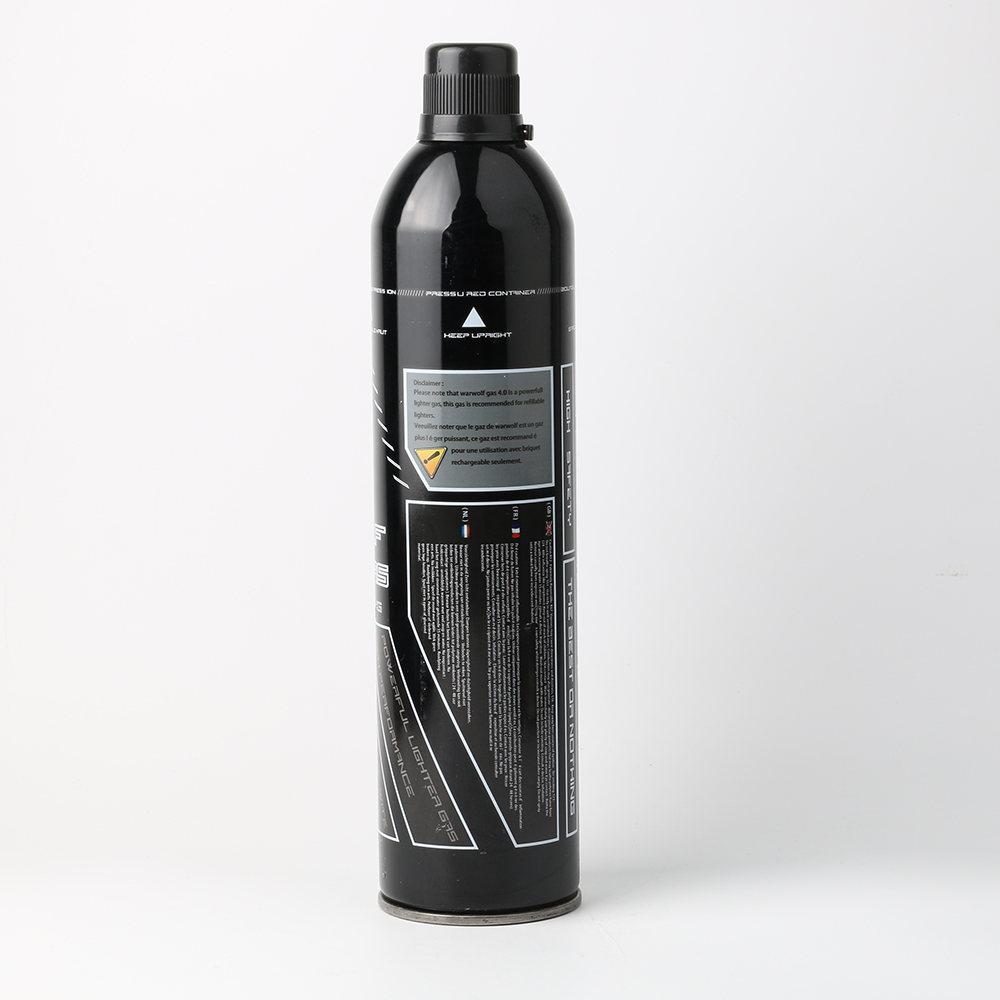
Black gas fundamentally operates as a 1.4 MPa Airsoft Green Gas, delivering roughly 200+ PSI at room temperature compared to standard 130 PSI green gas.
Magazine compatibility relies on reinforced baseplate O-rings and high-tension release valves; standard stock magazines (especially Tokyo Marui) are at high risk of seal blowouts.
Ambient temperature is the ultimate deciding factor—black gas for airsoft should strictly be utilized in cold environments (typically under 10°C/50°F) to avoid unsafe pressure spikes.
Upgrading to black gas requires a parallel upgrade in maintenance routines, specifically monitoring loading nozzles and recoil springs.
We must define this propellant precisely before using it. A proper 1.4 MPa Airsoft Green Gas typically consists of a specialized propane and ethane blend. This specific chemical mixture pushes approximately 1.4 megapascals of pressure. That equals over 200 PSI at standard room temperature. Standard green gas only outputs around 130 PSI under identical conditions. This massive pressure difference completely alters how your replica functions internally.
Standard green gas fails in cold weather due to fundamental physics. Boyle's Law and general gas principles dictate this physical reality. As temperatures drop, gas vapor pressure decreases proportionally inside the magazine. Rapid firing exacerbates this pressure loss significantly. Liquid gas cools down naturally as it vaporizes into a gas. Your magazine quickly becomes freezing cold to the bare touch. Eventually, the expanding gas lacks the force to push the slide backward. Heavy steel slides make this cooldown problem even more prominent. They require substantially more kinetic energy to cycle fully.
Market positioning matters heavily here. You must view this propellant strictly as a specialized tool. It serves highly specific environmental needs. It is definitely not a universal power-up for all gas blowback platforms. Novice players often make a critical mistake during summer. They buy extreme-pressure gas simply to increase their chronograph readings. We strongly advise against this reckless approach. Using extreme pressure in warm weather damages delicate internal parts. High-pressure blends exist purely to compensate for cold weather performance deficits. They simply restore your baseline performance when temperatures plunge.
Extreme pressure always finds the weakest link in your system. Usually, this weak link is the magazine baseplate O-ring. Standard magazines use relatively thin rubber seals designed for 130 PSI. High-pressure rated magazines require vastly different construction standards. They utilize reinforced base pins to hold the floorplate securely. They also feature thicker, high-durometer O-rings. A high-durometer rating means the rubber resists deformation under extreme physical stress. If you put 200 PSI into a standard magazine, the O-ring deforms. The gas then aggressively vents out the bottom of the baseplate.
You must also consider the valve knocker mechanism. Higher internal pressure creates extreme resistance behind the main release valve. The trapped gas physically pushes the valve shut from the inside. Your pistol's hammer spring must possess enough tension to overcome this force. If your spring feels too weak, the gun suffers from light strikes. A light strike occurs when the hammer hits the valve too weakly. The valve barely opens upon impact. A tiny puff of gas escapes, and the slide fails to cycle. Upgrading your hammer spring ensures reliable valve activation under intense pressure.
Different brands handle these pressures quite differently straight out of the box. Taiwanese manufacturers like VFC or WE-Tech typically use heavier metal components. Their stock magazines often feature robust seals designed for varied global climates. They tolerate higher baseline pressures noticeably better. Conversely, Japanese brands like Tokyo Marui optimize strictly for standard low-pressure gas. They use lightweight plastic slides and highly sensitive, lighter springs. Using extreme pressure in a stock Tokyo Marui magazine invites immediate disaster. The baseplate seals will likely blow out on the first major fill.
Ambient temperature strictly dictates the internal pressure of your magazine. You cannot ignore your local climate when selecting a propellant. Playing in freezing snow demands entirely different fuel than playing in a warm indoor arena. You must actively map your local weather conditions against safe pressure limits. We always recommend checking the forecast before packing your gear bag.
Different temperature brackets produce wildly different results with extreme-pressure gases. Below 5°C, the gas condenses significantly. It loses a massive portion of its raw expansion power. At this temperature, the 1.4 MPa propellant mimics standard gas on a hot day. You get crisp cycling without stressing the internal components. As temperatures rise into the 10°C to 15°C range, pressure climbs quickly. You will experience notably heavy recoil and faster cycle rates. This bracket represents the absolute maximum safe operating range for reinforced platforms.
Once temperatures exceed 20°C, you enter a highly dangerous zone. The expanding gases create internal pressures far beyond standard manufacturing tolerances. Your magazines transform into over-pressurized vessels. This drastically increases the likelihood of sudden mechanical failure. We urge you to adopt a strict outcome focus. Do not chase raw velocity numbers. Buy your gas based purely on your localized playing climate.
Ambient Temperature Bracket | Expected Pressure Behavior | Equipment Safety Level |
|---|---|---|
Below 5°C (41°F) | Operates identically to standard green gas in summer conditions. | Optimal / Safe |
10°C - 15°C (50°F - 59°F) | Generates heavy recoil. Cycles heavy slides effectively. | Caution Required |
20°C+ (68°F+) | Internal pressure wildly exceeds standard operational limits. | High Risk / Unsafe |
Upgrading your propellant accelerates general wear and tear dramatically. You must prepare mentally and financially for potential parts breakage. High-pressure cycling creates violent rearward slide momentum. This momentum violently shakes every pin, spring, and screw in your replica. Recognizing common failure points helps you prepare effective contingency plans.
Shattered loading nozzles: The high-pressure burst often cracks standard plastic loading nozzles upon initial impact.
Cracked external slides: Rapid rearward travel places immense physical stress on the slide's structural weak points.
Blown magazine baseplates: Excessive internal pressure overcomes standard O-ring friction, violently blowing the baseplate outward.
Slide catch degradation: The heavy slide slams into the metal catch with double the normal force, rounding off the edges.
Lubrication presents another unique challenge with extreme-pressure propellants. Many of these specialized gases contain little to no silicone oil. Manufacturers intentionally omit the oil for a very specific reason. Liquid silicone oil can freeze or thicken in sub-zero temperatures. This causes the rubber hop-up bucking to swell unpredictably. A dry gas prevents hop-up swelling and maintains consistent accuracy in the cold.
However, running completely dry gas demands a rigorous manual maintenance routine. Standard green gas passively lubricates your O-rings with every single fill. Dry gas strips away existing lubrication over time. You must manually lubricate your magazine O-rings using high-quality synthetic grease. Post-game teardowns become mandatory rather than optional. You must carefully inspect your nozzle return springs after every cold-weather event. Keeping the piston head lightly greased ensures proper sealing for the next game.
How do you make the final purchasing decision? We recommend using a strict decision matrix to eliminate guesswork. Your choice should rely entirely on your hardware and your environment. Let us break down the exact logic you should follow.
IF you run a heavy steel slide gas blowback or play in near-freezing temperatures, THEN you should absolutely shortlist black gas for airsoft. It provides the necessary kinetic energy.
IF you run a stock plastic pistol or play mostly in indoor, climate-controlled environments, THEN stick strictly to standard 1.0 MPa green gas.
IF your platform is inherently designed for extreme pressure and cold weather, THEN evaluate CO2 as an alternative. CO2 capsules offer excellent winter consistency without needing large gas bottles.
Before checking out your online cart, take a few precautionary steps. First, verify your replica's current factory warranty status. Using extreme-pressure propellants frequently voids manufacturer warranties entirely. Retailers can tell if a blown nozzle resulted from over-pressurization. Second, purchase a set of spare O-rings beforehand. You will eventually need them. Third, buy a reinforced polycarbonate loading nozzle. Preparation saves you from frustrating mid-game equipment failures. Upgrading your internal parts ensures your gun handles the cold-weather stress reliably.
High-pressure propellant serves as a highly specialized, climate-dependent utility. You must never treat it as a blanket performance upgrade for casual weekend play. It exists to solve the specific mechanical problem of winter cooldown. Utilizing it correctly ensures your heavy metal slides cycle crisply even in freezing snow.
We encourage you to check your local weather forecasts rigorously. Inspect your current magazine seals before making a final purchasing decision. Upgrade your hammer springs and loading nozzles if your platform requires it. By respecting the physics of gas expansion, you protect your equipment. You will maintain a massive tactical advantage over players struggling with frozen, sluggish replicas.
A: We strongly caution against this. Standard magazines use thinner O-rings designed for lower pressure. Using extreme-pressure gas frequently causes immediate seal blowouts and baseplate failures. Furthermore, doing this will almost certainly void your manufacturer warranty. You must rely on temperature dependency; only attempt this in near-freezing temperatures where the gas pressure drops naturally to safe levels.
A: It heavily varies by specific brand. However, many manufacturers intentionally omit silicone oil from extreme-pressure blends. They do this to maintain dry, consistent performance in freezing conditions. Silicone oil can freeze or cause hop-up buckings to swell in the cold. You must manually lubricate your O-rings if you use a dry gas formulation.
A: Yes, it will significantly increase your FPS. However, utilizing it purely to chase higher velocity in warm weather is incredibly dangerous. High temperatures cause unsafe pressure spikes that shatter loading nozzles and crack slides. Additionally, the resulting FPS spike often violates local field safety limits, resulting in a ban.


