
Views: 0 Author: Site Editor Publish Time: 2026-10-26 Origin: Site


Pressurized airsoft gas powers the realism of Gas Blowback (GBB) platforms. Green Gas, CO2, and HFC134a bring your replicas to life on the field. Improper handling introduces severe equipment degradation and significant safety risks. We often see players treating these propellants carelessly.
Many players unknowingly compromise their magazine O-rings over time. Others risk canister rupture due to poor temperature control. Conflicting community advice on long-term storage leaves operators confused. You might hear one player say to empty magazines completely, while another insists on keeping them full. Poor practices lead to leaks, shattered valves, and ruined game days.
This guide establishes an evidence-based framework for storing, handling, and maintaining pressurized magazines. We will explore the physics of thermal expansion and proper refilling techniques. You will learn actionable steps to maximize equipment lifespan. Adhering to these protocols ensures both reliable performance and operator safety.
Temperature control is the primary variable in airsoft gas safety; canisters must be kept between 50°F and 80°F (10°C - 26°C) and out of direct sunlight.
Green Gas magazines should be stored with a small residual charge to maintain O-ring lubrication, whereas CO2 magazines must be completely emptied to prevent seal deformation.
Proper refilling requires a strict inverted canister alignment to ensure liquid-state gas transfers into the magazine reservoir.
Routine maintenance using pure silicone oil is non-negotiable for preserving valve integrity across all gas platforms.
Understanding propellant physics prevents catastrophic equipment failures. Different platforms require different propellants to function. You must know your system's baseline pressure to maintain it properly. Ignorance often leads to blown seals or cracked nozzles.
Green Gas operates at a relatively low pressure. It essentially consists of propane mixed with a small amount of silicone oil. This mixture hovers around 115 to 120 PSI at room temperature. It provides smooth blowback action for most pistols and rifles. The suspended oil lubricates internal seals automatically during firing.
CO2 functions entirely differently. It sits at a massive 800+ PSI at room temperature. CO2 lacks any internal lubrication. It delivers a harsh, aggressive recoil impulse. The extreme pressure demands robust internal components to prevent structural failure. Mixing up these pressure ratings can destroy a fragile replica instantly.
Common Mistake: Do not load a standard 120 PSI-rated magazine into a gun designed exclusively for 800 PSI CO2 cartridges, and vice versa. The pressure mismatch causes immediate cycling issues.
Airsoft Gas Operating Pressures and Characteristics
Propellant Type | Average Pressure (Room Temp) | Lubrication Included | Typical Use Case |
|---|---|---|---|
Green Gas | ~115 - 120 PSI | Yes (Silicone Oil) | Standard GBB Pistols & Rifles |
CO2 | ~800+ PSI | No | Heavy Recoil & Cold Weather GBB |
HFC134a (Duster Gas) | ~70 - 80 PSI | Yes | Fragile/Polymer Slide Pistols |
Ambient temperature directly controls internal pressure. Propellants expand rapidly when exposed to heat. A canister left in a warm environment gains internal pressure exponentially. High heat forces the liquid phase to boil into vapor. This aggressive expansion pushes against the thin metal walls of the canister.
Extreme heat creates a severe rupture risk. If the pressure exceeds the structural limits, the canister will vent violently or explode. Extreme cold introduces a different set of problems. Cold temperatures cause the pressure to plummet. Sluggish blowback performance frustrates players during winter games. O-rings become brittle and shrink in the cold. Shrunken O-rings leak expensive gas into the atmosphere.
You must establish a designated safe storage location. Keep canisters in a climate-controlled room. Basements and attics often experience wild temperature swings. Choose an interior closet or gear locker instead. Ensure the storage area maintains low humidity. Moisture degrades the exterior of metal canisters over time. Keep all pressurized bottles far away from open flames, space heaters, or other ignition sources.
Handling airsoft gas requires strict adherence to safety protocols. Haphazard storage guarantees equipment malfunction. You must treat these pressurized cylinders with respect. A disciplined approach extends the shelf life of your consumables.
Manufacturers print strict upper temperature limits on every bottle. You will usually see a 120°F (49°C) maximum rating. We strongly recommend a much lower ceiling for daily storage. Keep your room at or below 80°F (26°C). Storing canisters near room temperature prevents structural fatigue. Continuous exposure to high limits stresses the safety release valves. Once a safety valve weakens, the bottle becomes useless.
Never leave pressurized bottles inside a vehicle. A parked car transforms into an oven during summer months. Interior temperatures quickly exceed 140°F (60°C) in direct sunlight. This environment easily surpasses the structural limits of Green Gas bottles and CO2 cartridges. We routinely hear stories of canisters rupturing inside trunks. The resulting explosion shatters car windows and causes severe damage. Always carry your supplies directly to the field staging area. Take them back inside your house immediately after the game.
Orientation matters immensely for longevity. The internal liquid behaves differently depending on how you store it. Follow these specific positioning rules:
Store Green Gas upright: The internal silicone oil naturally separates from the propellant. Storing the bottle upright prevents this thick oil from pooling directly at the fill nozzle. Oil pooling clogs the narrow output stem.
Keep CO2 cartridges perfectly dry: Moisture causes the exposed metal tips to oxidize. Rust creates a rough surface on the cartridge. A rusty tip damages the sensitive puncture valve inside your magazine upon insertion.
Avoid stacking heavy gear: Never place heavy tactical vests or hard cases on top of your pressurized bottles. Excessive external weight can crush the plastic nozzles.
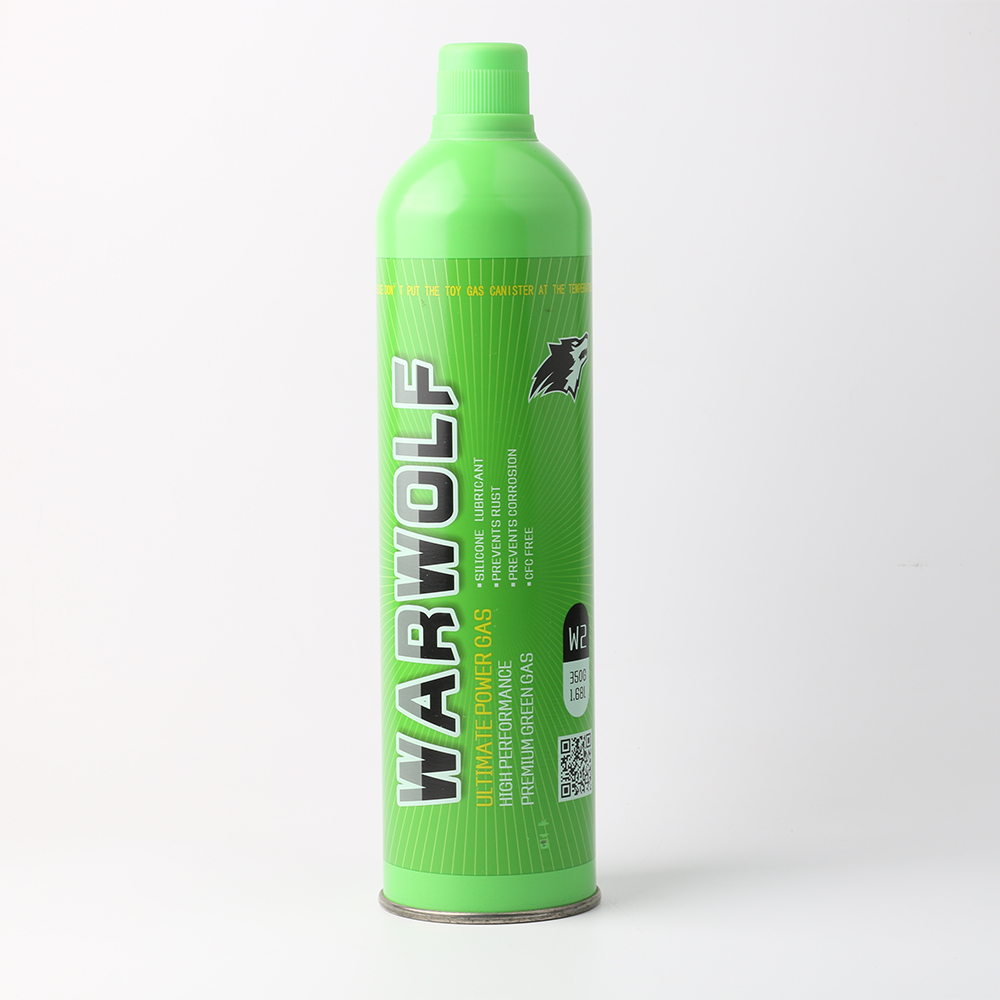
Players often argue about the best way to store magazines. Misinformation spreads rapidly across forums and social media. You must treat different propellants differently. A one-size-fits-all approach destroys seals.
Many community members incorrectly claim you must empty all magazines after playing. They believe internal pressure wears out the springs and valves over time. This generalized advice harms specific platforms. Emptying a magazine completely is only correct for CO2. Applying this rule to Green Gas platforms dries out the internal rubber components. You must understand the mechanics behind your specific system.
You must leave a slight amount of pressure in a Green Gas magazine. We call this a residual charge. Purging the reservoir completely exposes the internal O-rings to ambient air. The rubber will dry out, shrink, and crack without pressure.
A residual charge keeps the O-rings firmly seated against the valve walls. It creates a tight, reliable seal. The suspended silicone oil inside the reservoir continues to lubricate the rubber. Just a one-second burst of gas is enough. This small amount of pressure ensures your magazine remains airtight for your next match.
CO2 systems require the exact opposite approach. You must completely remove the CO2 cartridge after your game. Never store a gun or magazine with a pierced CO2 cartridge installed.
CO2 operates at a staggering 800+ PSI. Sustained pressure at this level crushes the polyurethane seals. The seals permanently deform and lose their elasticity. Because CO2 lacks silicone oil, the dry pressure accelerates wear and tear. Leaving a cartridge installed overnight guarantees a severe leak the next day. Bleed the remaining pressure by firing the gun until empty, then carefully unscrew the base cap.
Retiring a GBB platform for the winter off-season requires deliberate preparation. Proper winterization prevents nasty surprises in the spring. Follow these precise steps:
Purge old propellants: Fire the replica until it naturally runs out of pressure. Do not press the release valve manually, as this freezes and cracks the O-rings.
Clean the valves: Use a soft microfiber cloth to wipe dirt and debris from the intake and output valves.
Apply pure silicone oil: Place one small drop of 100% pure silicone oil directly onto the fill valve and release valve. Let it soak into the rubber.
Add a fresh residual charge: For Green Gas, add a one-second burst of fresh propellant to seat the newly lubricated seals.
Store in a sealed container: Place the magazines in a padded, climate-controlled case to prevent dust accumulation.
Refilling a magazine seems simple at first glance. However, incorrect angles and poor timing waste expensive supplies. Proper technique ensures consistent FPS (Feet Per Second) across your shots. Good habits prevent accidental damage to fragile intake valves.
You must hold both the magazine and the bottle completely upside down. This inverted posture is non-negotiable. Propellant exists inside the bottle in two states: liquid at the bottom and vapor at the top. Your goal is to transfer the dense liquid phase into the magazine reservoir.
If you hold the bottle upright, you only transfer lightweight vapor. The magazine will feel full but will only fire two or three shots. Inverting the setup allows gravity to pull the liquid down through the nozzle. The liquid fills the magazine properly, giving you the maximum shot count per fill.
Standardize your fill times based on your magazine size. Most standard pistol magazines require 3 to 5 seconds of continuous pressure. Extended rifle magazines often need 7 to 10 seconds. Listen closely to the sound of the transfer.
You will hear a distinct hissing noise as the liquid flows. Some magazines feature a silent fill valve, while others sputter slightly. Sputtering or venting near the end of your count indicates a full reservoir. Once liquid begins spraying out around the nozzle, stop immediately. Overfilling leaves no room for the liquid to expand into vapor during firing. This causes liquid to spew out of the barrel, known as "cooldown" or "venting."
Press the nozzle perfectly straight down into the intake valve. Off-angle pressure bends the fragile plastic stem of the airsoft gas bottle. A bent stem sprays freezing liquid onto your hands instead of into the magazine.
Applying crooked pressure also damages the internal threading of the magazine's brass intake valve. Over time, the brass deforms, causing permanent leaks. Keep your wrists steady. Apply firm, downward pressure without twisting. If you notice persistent spraying during a straight fill, your intake valve O-ring might be missing or degraded.
Even with perfect storage habits, mechanical seals eventually wear down. Regular maintenance keeps your gear in peak condition. Catching a tiny leak early prevents massive failures later. A disciplined troubleshooting routine saves you time and money.
Finding a micro-leak requires a simple submersion test. We call this the water bath method. Fill your magazine with a standard charge. Fill a plastic basin with room-temperature water. Submerge the pressurized magazine entirely under the water.
Watch carefully for tiny bubbles escaping from the metal body. Bubbles at the bottom indicate a baseplate or fill valve leak. Bubbles at the top indicate a release valve or router leak. Remove the magazine immediately after spotting the bubbles. Dry it completely with a towel to prevent screws from rusting. This visual confirmation tells you exactly which seal needs attention.
Once you locate the leak, you must apply the correct fix. Do not rush to buy a brand new magazine. Most leaks are entirely repairable using basic tools. Approach repairs in escalating levels of intervention.
Most leaks stem from dry rubber. Purge the remaining pressure safely by firing the gun empty. Apply a generous drop of 100% pure silicone oil to the leaking valve. Let it sit for 20 minutes. Fill the magazine again. The fresh oil often causes the dried rubber to swell and seal the gap. Avoid petroleum-based lubricants at all costs. WD-40 or similar solvents will melt and destroy airsoft O-rings.
If oil fails, the valve threads might be worn out. Use a dedicated valve key to unscrew the leaking valve from the magazine body. Wrap a single, thin layer of plumber's Teflon tape around the brass threads. Screw the valve back into the magazine firmly, but do not overtighten it. The Teflon tape fills the microscopic gaps in the threading, creating a watertight mechanical seal.
Sometimes you must admit a seal is beyond repair. If an O-ring is physically torn, shredded, or completely flattened, oil and tape will not help. You must buy a replacement valve or a fresh set of O-rings. Use your valve key to extract the broken unit. Drop the new valve in, add a touch of oil, and tighten it down. This simple swap restores the magazine to factory condition.
Stop relying on borrowed tools at the field. Build a baseline maintenance kit for your gear bag. Your kit must include a high-quality metal valve key. Add a small dropper bottle of 100% pure silicone oil. Purchase a generic pack of replacement O-rings sized for your specific brand. Keeping these three items on hand turns a game-ending leak into a minor five-minute delay.
Safe propellant handling boils down to strict temperature management and disciplined storage habits. Keep your canisters away from extreme heat and vehicles. Remember the operational differences between platforms. Green Gas magazines thrive with a small residual charge. CO2 magazines demand a complete purge after every session to protect their seals.
Take time today to audit your current storage setup. Move your supplies out of hot garages and car trunks. Relocate them to a climate-controlled gear locker indoors. Practice the inverted refilling posture to maximize your shot counts. Routine maintenance with pure silicone oil ensures your GBB platforms run flawlessly season after season. Respect the physics of pressurized cylinders, and your equipment will reward you with years of reliable service.
A: Yes, you absolutely should. Leaving a small residual charge in the magazine keeps the internal O-rings properly seated against the valve walls. The internal pressure prevents the rubber seals from shrinking, while the suspended silicone oil keeps them moisturized and flexible.
A: Most manufacturers rate canisters for a maximum of 120°F (49°C). Exceeding this limit causes extreme thermal expansion. The internal pressure will overpower the structural integrity of the bottle, leading to violent venting or a catastrophic rupture. Always store bottles below 80°F (26°C).
A: This usually happens due to incorrect alignment or a missing intake O-ring. Ensure you press the bottle nozzle perfectly straight down. If the alignment is correct but it still sprays violently, the tiny rubber O-ring inside the magazine's fill valve has likely fallen out or dried up.
A: Yes, but it requires extra maintenance. Green Gas is essentially propane with silicone oil pre-mixed into it. If you use standard camping propane via an adapter, you must manually add pure silicone oil to your adapter or valves. Propane also has a strong, unpleasant odor.
A: Unpunctured CO2 cartridges can last for several years if stored properly. Keep them in a cool, dry place. The main threat to long-term storage is external moisture. Humidity causes the metal tips to rust, which will permanently damage your magazine's puncture valve upon insertion.


