
Views: 0 Author: Site Editor Publish Time: 2026-10-29 Origin: Site


Every shot you fire relies on an invisible force driving your replica. Choosing the right propellant transforms a sluggish sidearm into a highly accurate, reliable primary weapon. Selecting the wrong airsoft gas doesn't just reduce FPS (Feet Per Second) and accuracy; it actively risks catastrophic failure in Gas Blowback (GBB) replicas, such as cracked slides or blown O-rings. You could easily destroy expensive internal components if you ignore pressure ratings.
A standardized evaluation of your gun's materials, the local climate, and your maintenance habits is required to make a safe, performance-optimizing purchase. You cannot simply grab the cheapest canister on the shelf. You need a targeted approach to match propellant mechanics with your specific hardware.
This guide breaks down the critical decision factors for purchasing airsoft gas, cutting through marketing claims to focus on pressure dynamics, temperature variables, and long-term hardware health. By the end, you will understand exactly how to fuel your replica for peak reliability.
Match Pressure to Build: Your replica’s slide material (plastic vs. metal) dictates your maximum safe PSI limit.
Temperature Dictates Performance: Ambient weather directly alters gas pressure; a canister that shoots at 300 FPS in the winter may push past field limits or cause excessive wear in the summer.
Lubrication Trade-offs: Pre-mixed green gases offer convenience but can foul hop-up units over time, requiring routine barrel swabbing.
Cost vs. Convenience: While standard camping propane is cheaper, dedicated airsoft gas canisters eliminate the need for adapters and mask unpleasant odors.
You face a crucial setup constraint when configuring a gas blowback pistol or rifle. The internal pressure of your propellant must precisely match the durability and weight of your gun's moving parts. High-pressure gases will shatter ABS or plastic slides violently. Conversely, low-pressure gases will completely fail to cycle heavy metal slides. You must understand your weapon's construction before buying any fuel.
Low-pressure gases typically output roughly 70 to 90 PSI at standard room temperature. Players often refer to these as 144a or "Blue Gas." You must use these lighter formulas for Japanese-manufactured GBBs. Brands like Tokyo Marui strictly utilize high-quality plastic slides to comply with local laws. Firing a standard or high-pressure gas through these plastic slides will cause structural cracking. The recoil force simply overwhelms the plastic retaining tabs. Stick to low-pressure options to keep these premium replicas intact.
Medium-pressure gases represent the industry standard. Most players know this tier simply as "Green Gas." These canisters output roughly 110 to 120 PSI. They offer the perfect balance of power and cyclic rate for standard metal slides. Most Taiwanese and Chinese GBB manufacturers design their internals around this specific pressure bracket. Brands like WE Tech, KWA, and VFC operate flawlessly on 120 PSI. The metal slide carries enough weight to require a strong push, and medium-pressure gas provides exactly enough force without stressing the nozzle.
High-pressure gases push the limits of your internal components. Red Gas and Black Gas fall into this aggressive category. They output 130 PSI and often climb much higher. Using these formulas introduces a massive implementation risk. They significantly increase wear and tear on your internal nozzles, recoil springs, and hammer sears. We only recommend these extreme pressures for heavily upgraded CNC-steel builds. A standard cast-aluminum slide can fracture under the intense snap of a 140 PSI blowback cycle. Reserve these powerful canisters for highly specialized, reinforced weapon platforms.
Table 1: Gas Pressure and Slide Material Matching Guide
Gas Tier Category | Average Output (Room Temp) | Ideal Slide Material | Hardware Risk Level |
|---|---|---|---|
Low-Pressure (144a / Blue) | 70 - 90 PSI | ABS / Polymer Plastic | Minimal wear. Safe for all builds. |
Medium-Pressure (Green) | 110 - 120 PSI | Cast Metal / Aluminum | Standard wear. Ideal for most replicas. |
High-Pressure (Red / Black) | 130+ PSI | CNC Steel / Reinforced | High wear. Requires internal upgrades. |
The physics of liquid gas govern your replica's behavior on the field. Airsoft gas pressure is never static. Your magazine acts as a pressurized vessel containing both liquid propellant and gas vapor. As ambient temperatures rise, the liquid boils faster. The vapor pressure inside the magazine spikes dramatically. This scientific reality directly impacts your FPS and the physical recoil force hitting your shoulder.
Summer operations present unique dangers for standard setups. When temperatures climb to 75°F (24°C) and above, standard medium-pressure formulas expand aggressively. A canister sitting perfectly at 115 PSI indoors might skyrocket to 140 PSI in the summer sun. Your gun will shoot noticeably hotter. Standard Green Gas can easily exceed safe operating pressures on hot days. Your core decision factor here is downgrading. Switch to a lower-pressure gas like 144a during heatwaves. This tactical downgrade maintains your field compliance and protects your gun internals from shattering under the intense summer heat.
Winter operations introduce the exact opposite problem. When temperatures drop below 50°F (10°C), you encounter the dreaded "cooldown effect." Cold weather severely limits the vaporization of standard liquids. The propellant struggles to expand into a gas. This leads to sluggish cycling. The slide moves lazily, failing to load the next BB. In severe cases, the gun experiences "venting," where the release valve freezes open and dumps all your gas at once. Your decision factor changes entirely in the cold. You must upgrade to Red or Black gas specifically to offset the temperature drop. The higher baseline pressure of these winter formulas brings your working PSI back up to standard operating levels.
Chart 1: Ambient Temperature Action Plan
Ambient Environment | Temperature Range | Physical Effect on Gas | Recommended Action |
|---|---|---|---|
Summer / Hot Weather | 75°F (24°C) and above | Rapid expansion, severe PSI spikes | Downgrade to Low-Pressure (Blue Gas/144a) |
Spring / Autumn | 55°F to 74°F (13°C to 23°C) | Stable vaporization, consistent FPS | Maintain Medium-Pressure (Green Gas) |
Winter / Cold Weather | Below 50°F (10°C) | Poor vaporization, severe cooldown | Upgrade to High-Pressure (Red/Black Gas) |
Propellant chemistry plays a massive role in your gun's long-term accuracy. You must choose between lubricated formulas and completely dry solutions. Wet gas, commonly known as traditional Green Gas, contains liquid silicone oil mixed directly with the propellant. When you fire the gun, a fine mist of oil travels through the internal mechanisms alongside the expanding gas.
The primary advantage of wet gas lies in convenience. It automatically lubricates your O-rings and internal valves with every single shot. This constant bathing of silicone reduces immediate maintenance needs. Casual players love this feature because it keeps magazine seals hydrated without manual teardowns. However, the experience reality tells a different story regarding performance. The aerosolized oil inevitably travels down the inner barrel. It coats the hop-up bucking in a slick layer of silicone. Your hop-up relies on friction to apply backspin to the BB. Oil destroys this friction. Over time, your accuracy and effective range will degrade noticeably. You will need to swab your barrel frequently to restore precision.
Dry gas offers an alternative path. Propane and specialized oil-free Green Gas contain absolutely zero lubricants. The propellant rushes through the system perfectly dry. This approach provides a massive boost to performance consistency. It keeps the hop-up bucking bone dry. A dry bucking ensures consistent backspin on every BB, unlocking maximum accuracy and range for your platform. Competitive shooters almost exclusively run dry gas setups.
Choosing dry gas introduces strict implementation requirements. Because you are stripping away automatic lubrication, you must take full responsibility for hardware upkeep. You must manually lubricate your magazine O-rings, fill valves, and gun internals regularly. Failing to manually oil these components will cause the rubber seals to dry out, shrink, and leak rapidly.
Identify Your Priority: Decide if you prefer zero-maintenance convenience or maximum long-range accuracy.
Select the Formula: Buy standard green formulas for casual play, or seek out oil-free variants for competitive matches.
Adjust Maintenance Habits: If running dry propellant, buy a small bottle of 100% silicone oil for manual drops on your magazine valves after every game day.
Marketing terminology often obscures the chemical reality of your propellant. Chemically speaking, standard airsoft green gas is nearly identical to common propane. Manufacturers remove the mercaptan—the pungent chemical additive that gives commercial propane its distinct rotten egg smell. They then inject a small percentage of silicone oil. Understanding this reality opens up two distinct purchasing avenues: hardware store cylinders or dedicated hobbyist canisters.
Camping propane cylinders offer incredible upfront savings. You can buy these large, green cylinders at almost any local hardware or sporting goods store. They provide a drastically lower cost-per-ounce compared to hobby-branded products. This makes them highly attractive to heavy shooters. However, you must navigate several distinct disadvantages. You must purchase a separate fill-valve adapter to connect the large threaded cylinder to your tiny magazine valves. Furthermore, you will introduce a strong, unpleasant odor during gameplay. Firing a propane-powered pistol in an indoor CQB arena will quickly fill the room with a noticeable stench. Finally, you lack built-in lubrication, forcing you to maintain your seals manually.
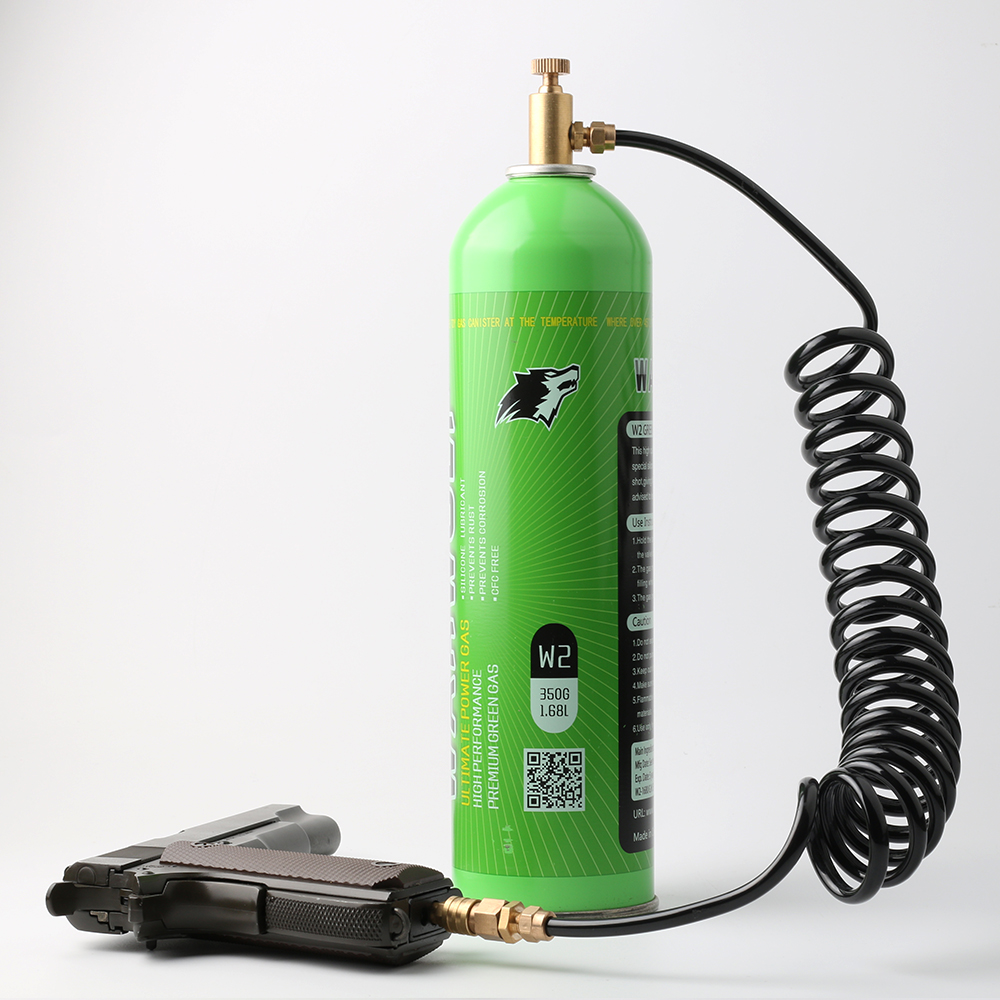
Dedicated canisters solve all these practical annoyances. Manufacturers design these tall, slender bottles specifically for the hobby. They are completely odorless. They usually come pre-lubricated. Most importantly, they feature elongated metal or reinforced plastic fill nozzles. These precise nozzles reach deep-seated magazine valves easily, preventing messy leaks during filling.
Your evaluation dimension here depends on your volume of fire. If you fire thousands of rounds monthly, the upfront cost of a propane adapter pays off quickly. You will save significant money on bulk fuel. For casual players who only attend a few matches a month, the premium of canned propellant is entirely worth the convenience. Avoiding the rotten egg smell and skipping the adapter setup makes the hobby far more enjoyable.
Bringing a gas weapon to a local field requires strict adherence to safety rules. Fields enforce strict FPS limits to prevent player injury. Buying a higher-pressure airsoft gas might push your replica far beyond acceptable boundaries. A pistol shooting a legal "CQB" velocity on low-pressure fuel might suddenly jump into an illegal "Sniper" velocity bracket when loaded with high-pressure fuel on a warm day. You must always test your specific gas and BB configuration on a chronograph before entering the play area.
Proper storage prevents disastrous accidents. These canisters hold highly flammable, pressurized liquid. You must respect their volatility. Keep canisters completely out of direct sunlight. Never leave them inside hot vehicles. Summer temperatures inside a parked car can easily exceed 140°F. This extreme heat causes massive over-pressurization, which can lead to violent canister rupture. Keep your fuel in a cool, shaded gear bag.
Store Cool: Keep active canisters in temperature-controlled environments away from ignition sources.
Maintain Magazine Seals: Always store GBB magazines with a small amount of standard propellant inside. This keeps the O-rings seated and under light pressure, preventing them from shrinking and leaking.
Never Mix Gases: Do not top off a magazine containing low-pressure fuel with a high-pressure formula. Purge the magazine completely before switching tiers.
Shipping compliance adds another layer of complexity to your purchase. Because this fuel is a pressurized, flammable aerosol, logistics companies classify it as Hazmat (Hazardous Materials). Federal regulations strictly prohibit loading these canisters onto airplanes. They must be shipped via ground transport exclusively. You must factor in longer delivery times when ordering online. A package that normally takes two days might take a full week to arrive via ground truck. Always plan ahead and buy your fuel well before your scheduled weekend game. Alternatively, utilize local hobby shops to bypass shipping restrictions entirely.
The "best" propellant does not exist in a vacuum. Your final choice must be a calculated intersection of your gun's slide material, your current local weather, and your willingness to perform manual maintenance. Ignoring any of these three pillars leads to poor accuracy, leaking magazines, or shattered internal parts.
To move forward effectively, identify your replica’s build material immediately. Check your upcoming weekend weather forecast to anticipate temperature spikes or drops. Finally, purchase a canister tier that keeps your working PSI safely within the 110 to 120 range. By matching your fuel to your environment and hardware, you guarantee a reliable, hard-kicking platform every time you pull the trigger.
A: No, unless specifically rated for it by the manufacturer. CO2 operates at vastly higher pressures (up to 800 PSI un-regulated) and will quickly destroy the internal components, nozzles, and springs of a standard replica.
A: No. Pressurized propellant and propane do not have a functional shelf life. The chemical mixture remains stable indefinitely. However, the internal seals of the physical canister can fail if left in extremely hot or corrosive environments.
A: This is called "cooldown." Rapid firing drops the internal temperature of the magazine rapidly, causing the liquid to stay liquid rather than vaporizing. Switching to a higher-pressure cold-weather formula or pacing your shots resolves this issue.
A: Metal nozzles are significantly more durable and provide a tighter seal on most magazines. However, they require careful alignment to avoid bending your magazine's brass intake valve. Plastic nozzles are safer for the gun's valve but wear out much faster.


